
Gene Sarazen — completed 1935
The first to complete the modern slam. Famously won the 1935 Masters in a playoff after holing a 4-wood for albatross on the 15th hole on Sunday.

The Masters, PGA Championship, U.S. Open and The Open Championship are the four crown jewels of professional golf. Each one tests players in a completely different way. Here is how they compare on history, course setup, iconic moments and what every club golfer can take from them.
Every week the world’s best golfers play for trophies and ranking points, but four tournaments sit above the rest. The Masters, PGA Championship, U.S. Open and The Open Championship are the only events that count towards the modern career Grand Slam, the most coveted achievement in golf. They draw the deepest fields, the biggest galleries, the most television coverage and the longest careers’ worth of pressure.
What sets them apart is not just prestige. Each major has its own course setup philosophy, its own season, its own weather and its own type of champion. Win one and you are a major champion forever. Win all four and your name sits beside Sarazen, Hogan, Player, Nicklaus, Woods and now Rory McIlroy.
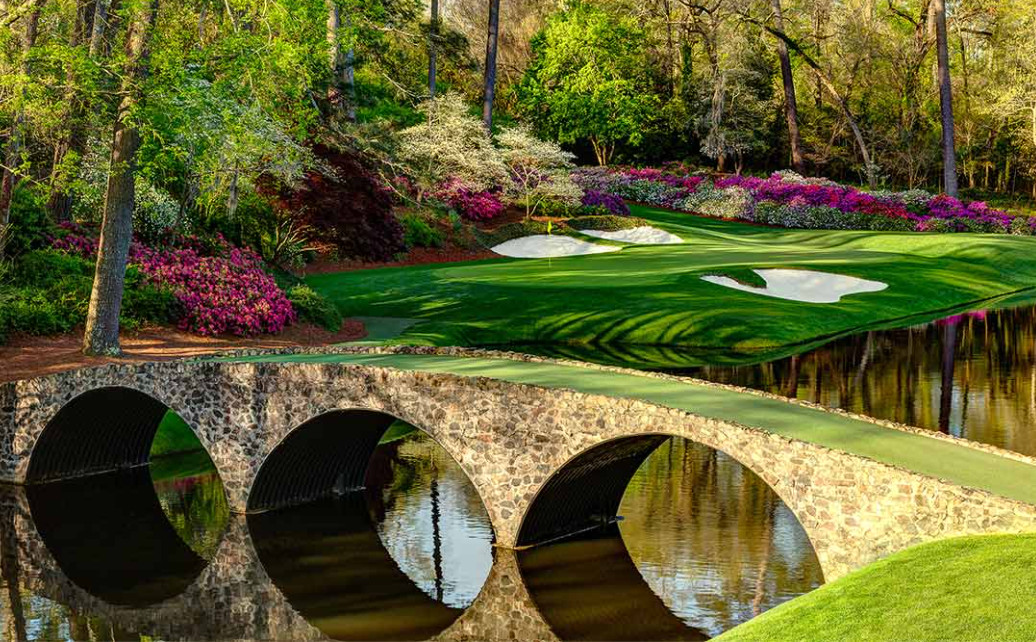
The Masters is the only major played at the same venue every year. Augusta National Golf Club, founded by Bobby Jones and Clifford Roberts, opened in 1933, and the first Masters was played in 1934. The course is famous for its blooming azaleas, its glassy greens, Amen Corner, and a back nine on Sunday that has produced more raw drama than any stretch of holes in the game.
The field is small — typically under 100 players — and is invitation only. Win and you receive a green jacket, lifetime exemption into the tournament, and a permanent place at the Champions Dinner. The course rewards shot shape (especially a right-to-left draw off the tee), nerve on the greens, and patience: leaders rarely run away from the pack until the final nine.
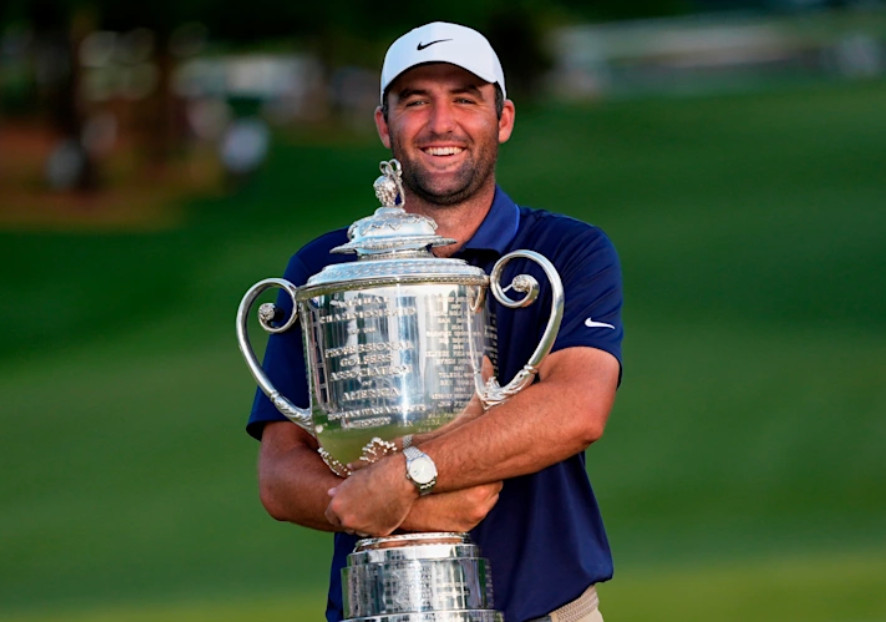
The PGA Championship is the championship of the PGA of America. First played in 1916 as a match-play event, it switched to 72-hole stroke play in 1958 and has been held every May since 2019 (it was previously the season’s final major in August, marketed as “Glory’s Last Shot”). The trophy — the giant, two-handled Wanamaker — is the largest in major championship golf.
Statistically the PGA Championship often boasts the strongest field of any major by Official World Golf Ranking points, because qualification leans heavily on current form rather than past achievement. Venues rotate across modern American championship courses, and setups tend to reward a complete game rather than testing one particular skill to extremes.
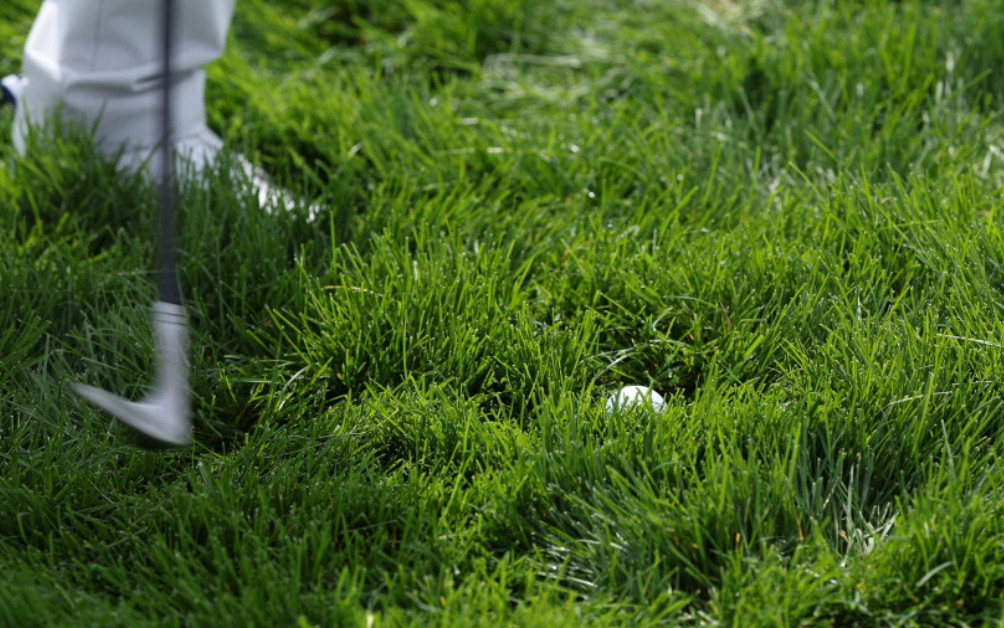
Run by the USGA since 1895, the U.S. Open is sometimes called the toughest test in golf — and that is the USGA’s explicit aim. Fairways are narrowed, rough is grown long and penal, greens are baked firm and fast, and pin positions are placed to punish anything less than a perfect shot. Even par is often a winning score.
Venues rotate across great American championship courses — Pebble Beach, Oakmont, Winged Foot, Pinehurst No. 2, Shinnecock Hills, Merion — each with its own character but all set up to identify the player who can drive straight, control distance, and accept that bogey is sometimes a good score. The U.S. Open rewards patience above all.
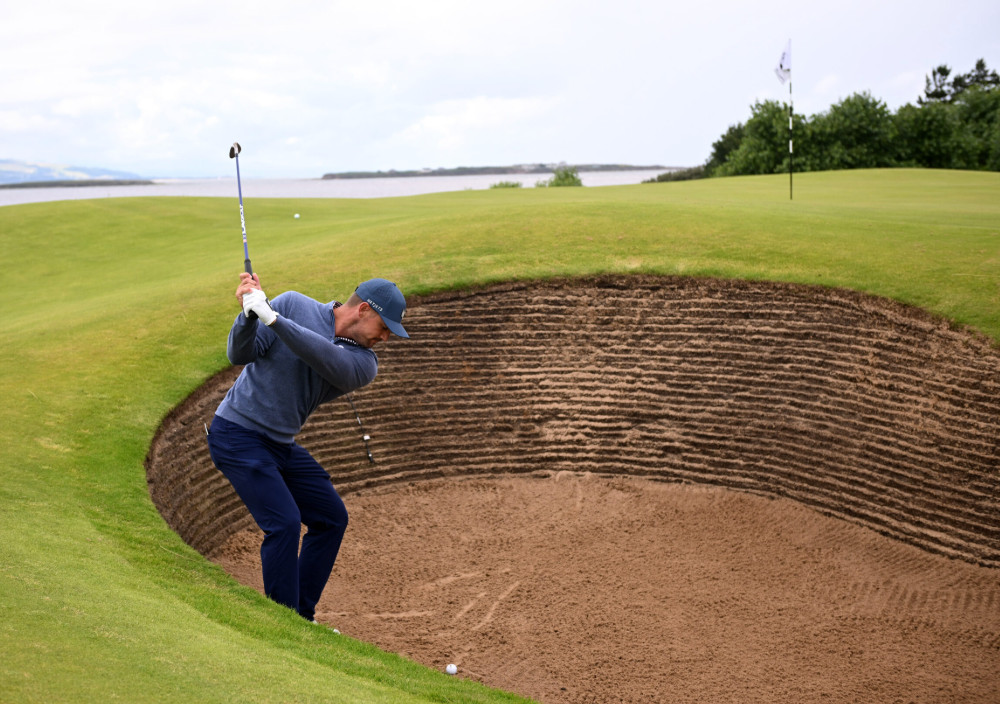
The Open — sometimes called the British Open outside the UK — is the oldest of the majors, first played at Prestwick in 1860. It is run by the R&A and rotates across a roster of links courses in Scotland, England and Northern Ireland: St Andrews, Royal Birkdale, Royal Troon, Carnoustie, Royal Liverpool, Royal Portrush and others. The winner lifts the Claret Jug, in golf the most romantic trophy of all.
Links golf is the great variable. Wind, rain and firm turf turn a 7,000-yard course into something that asks a completely different question every day. Players hit knockdowns, bump-and-runs, drives that roll out 80 yards and putts from 30 yards off the green. Pot bunkers can cost a shot or two without warning. Creativity counts more than power. For the full story, including all ten rota courses and how players qualify, read our deep dive on The Open Championship.
A quick reference for how the four majors line up on the things golfers actually care about. Swipe horizontally on a phone to see all the columns.
| The Masters | PGA Championship | U.S. Open | The Open | |
|---|---|---|---|---|
| Month | April | May | June | July |
| First played | 1934 | 1916 | 1895 | 1860 |
| Venue | Augusta National (fixed) | Rotating US courses | Rotating US courses | UK links rota |
| Course style | Parkland, fast greens | Modern championship | Penal setup, thick rough | Links, firm & windy |
| Field size | ~90, invitational | 156 | 156 | 156 |
| Typical winning score | −10 to −15 | −8 to −15 | −6 to even | −6 to −15 (weather dependent) |
| Trophy | Green Jacket | Wanamaker Trophy | U.S. Open Trophy | Claret Jug |
| Governing body | Augusta National | PGA of America | USGA | The R&A |
| Key challenge | Green reading & nerve | All-round game | Accuracy & patience | Wind & creativity |
Tour pros adapt year-round, but most will admit that the four majors ask four different questions. Understanding those questions is half the fun of watching.
Fairways at Augusta are generous; greens are not. Slopes, run-offs and shaved chipping areas mean that a missed approach can be a one-shot mistake or a three-shot disaster. The Masters identifies players with creative short games, calm putting and the ability to play recovery shots without losing composure.
USGA setups punish width off the tee and reward boring, repetitive ball-striking. Champions tend to be players who can take their medicine, lay up to a number, and grind out pars when everyone around them is dropping shots. Aggression rarely wins.
Links golf is the closest the modern game gets to its origins. Champions know how to flight the ball under the wind, use the ground, judge bouncing approach shots and putt from 50 feet off the green. It is the major where European and Commonwealth golfers feel most at home.
Because PGA setups vary year to year and the field is the deepest in the game, the winner often needs to do everything well — drive, iron, scramble, putt. It is the major most likely to be won by whoever is simply playing the best golf that month.
Only six men in the modern era have won all four professional majors during their careers. It is the highest bar in the sport, harder than total major wins or world number one weeks, because it requires excellence across four completely different challenges.
Gene Sarazen — completed 1935
The first to complete the modern slam. Famously won the 1935 Masters in a playoff after holing a 4-wood for albatross on the 15th hole on Sunday.

Ben Hogan — completed 1953
Did it in a single year. Hogan won the Masters, U.S. Open and The Open in 1953, the closest anyone has come to a calendar Grand Slam.

Gary Player — completed 1965
The first non-American to win all four, travelling more miles in pursuit of majors than anyone of his era.
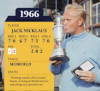
Jack Nicklaus — completed 1966
Did it three times over. Nicklaus’s 18 professional majors remains the career benchmark for greatness.

Tiger Woods — completed 2000
Did it at age 24, the youngest ever. Followed up by holding all four major titles at once — the “Tiger Slam” of 2000–01.

Rory McIlroy — completed 2025
Eleven long years after his 2014 Open and PGA wins, McIlroy finally captured the Masters in 2025 to join the club. The longest wait between the third and fourth legs in history.
Every major produces moments that outlive the leaderboard. A short pick from each.

Masters · Tiger Woods, 2019
Eleven years after his last major, after multiple back surgeries, Woods won at Augusta in front of his children. Sport’s great second-act story.

Masters · Jack Nicklaus, 1986
At 46, Nicklaus shot 30 on the back nine to win his sixth green jacket. Verne Lundquist’s “Yes sir!” still gives golf fans chills.

PGA · Phil Mickelson, 2021
At 50, Mickelson became the oldest major champion ever, taming Kiawah’s Ocean Course on a blustery weekend.

U.S. Open · Jack Nicklaus, 1972 (Pebble Beach)
A 1-iron into the wind on the 17th hole that hit the flagstick and dropped a foot away. Often called the greatest shot ever struck.
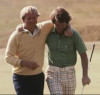
The Open · Watson v Nicklaus, 1977 (Turnberry)
The Duel in the Sun. Watson and Nicklaus played the weekend in matching 65-66, finishing 11 and 10 shots clear of the rest of the field.

The Open · Jean van de Velde, 1999 (Carnoustie)
Three shots ahead playing the 72nd hole, van de Velde made triple bogey and lost a playoff. A reminder that the Claret Jug is never won until the last putt drops.
The “hardest major” argument never quite gets settled, because each major is the hardest at different things. Here is the case for each.
By winning-score average, the U.S. Open is consistently the hardest to win at par. The setup is built to break players, and even par is often a winning score.
By OWGR field strength, the PGA usually edges the others. Beating that depth, week after week, is its own kind of difficulty.
The combination of fixed-venue familiarity, slick greens and a Sunday back nine that has decided dozens of tournaments makes Augusta a uniquely cruel test of nerve.
Win The Open and you have beaten not just the field but the wind, the rain, the firmness, the tides of weather and the random luck of a bouncing ball.
You will probably never play Augusta on Masters Sunday, but each major teaches a lesson that translates directly to your weekend game.

You can apply major-championship thinking to your own rounds. Use Shark Club to measure accurate distances, track scores, plan smarter approach shots and monitor your handicap progress — the same data the pros lean on, in your pocket.
Looking for more reading? Try our Golf Quotes from Great Players page for mindset and course management ideas, or head to the Shark Club Support & FAQ for help with scorecards, Stableford scoring, GPS distances and watch features on iPhone, Apple Watch, Android and Wear OS.
Enjoyed the read? Pass it on to your golf friends.